
Clinical & Translational Hearing Research
Resume
Cris Lanting, Ph.D.
| Medical Physicist–Audiologist (MPE) | Hereditary Hearing Loss · Cochlear Implants · Clinical Trials · Auditory Profiling |
I am a Medical Physicist–Audiologist working at the intersection of clinical audiology, genetics, and auditory rehabilitation at Radboud University Medical Center (Radboudumc).
My research follows a single translational arc from identifying the genetic cause of a patient’s hearing loss, through audiological characterisation of the phenotype (‘I can hear, but I cannot understand what you say’), auditory profiling, to measuring outcomes of cochlear implantation and inner-ear therapeutics. The driving question across all projects: how does genotype shape auditory function, and how should that shape treatment?
Focus areas
Hereditary hearing loss & rare genetic disorders
Identification and interpretation of pathogenic variants with direct clinical impact on diagnostics and counseling, with a particular focus on previously unsolved cases of suspected hereditary hearing loss. Work includes establishing RIPOR2 as a major cause of adult-onset autosomal dominant hearing loss (De Bruijn et al., 2021; Velde et al., 2023), characterising the role of cochlear supporting cells via GAS2 (Chen et al., 2021), and diagnosing syndromic forms such as Usher syndrome (Velde et al., 2022).
Genotype–phenotype correlations & natural history
International cohort studies and systematic reviews addressing disease progression, outcome prediction, and counseling in genetic hearing loss. Work includes long-term natural history of TMPRSS3-related hearing loss (Colbert et al., 2024), genotype–phenotype correlations in DFNA9 (COCH) (Robijn et al., 2022), and hearing loss progression and vestibular phenotype in Usher syndrome type 2A (Wijn et al., 2025).
Cochlear implantation & auditory outcomes
Outcome evaluation in genetically characterised populations and development of auditory profiling metrics linking genotype to site-of-lesion and implant performance (Lanting et al., 2022). Includes long-term evaluations of cochlear and middle-ear implants and contribution to international consensus on indication criteria (“Consensus Statement on Bone Conduction Devices and Active Middle Ear Implants in Conductive and Mixed Hearing Loss,” 2022).
Remote care & digital audiology
Design and validation of self-administered and remote assessments to extend accessibility and patient autonomy, including a validated remote fitting and outcome protocol for cochlear implant users (Wasmann et al., 2024) and evaluation of sound-level reduction interventions in critical care (Vreman et al., 2024).
Clinical trials & inner-ear therapeutics
Audiological safety, tolerability, and outcome measures in Phase 1/2 trials for inner-ear therapies including gene therapy and sudden deafness treatments (Lanting et al., 2025), and evaluation of interventions to reduce treatment-related hearing loss in cisplatin chemoradiation (Burger et al., 2024).
Pediatric audiology
Diagnostics and rehabilitation in children — from initial audiological workup through etiological genetic investigation to cochlear implantation and long-term habilitation. Clinical work spans the full trajectory: candidacy assessment, implantation, and outcome monitoring, with the genetic diagnosis directly informing timing and rehabilitation targets. Pediatric cases with suspected hereditary aetiology are worked up within the Expertise Centers and via the DOOFNL network.
Clinical leadership
-
Expertise Center Hearing & Implants (Radboudumc) Multidisciplinary care for hearing rehabilitation at the largest implant center in the Netherlands, including cochlear and middle-ear implants; outcome evaluation and pathway optimization.
-
Expertise Center Hearing & Genes (Radboudumc) Multidisciplinary diagnostics and genetic counseling for rare and hereditary hearing disorders, with a focus on previously unresolved cases combining state-of-the-art genotyping with detailed audiological phenotyping.
-
DOOFNL — National Rare Hearing Disorders Network Unique national collaboration of academic ENT departments, clinical geneticists, and audiologists dedicated to solving diagnostically challenging cases of (suspected) hereditary hearing loss. DOOFNL addresses patients for whom standard clinical workup has not yielded a diagnosis, through coordinated genetic and audiological investigation across Dutch academic centers.
-
ERN-CRANIO — European Reference Network Part of the EU-designated European Reference Network for Rare Craniofacial Anomalies and ENT Disorders. Provides cross-border expert consultation and structured case management for patients with complex or syndromic hearing loss across Europe.
-
Pediatric audiology Complex diagnostics, etiological genetic workup, cochlear implantation trajectories, and outcome monitoring in children.
-
Guidelines and consensus development Contributor to national and international consensus on implantable hearing solutions in conductive and mixed hearing loss (“Consensus Statement on Bone Conduction Devices and Active Middle Ear Implants in Conductive and Mixed Hearing Loss,” 2022).
Research vision
The long-term goal is a precision-audiology pipeline in which a patient’s genetic profile, audiological signature, and electrophysiological responses together inform which intervention will work — and how well. This pipeline is already operational at Radboudumc for cochlear implant candidates with characterised hereditary hearing loss. The current programme extends it in three directions: suprathreshold auditory profiling to characterise hearing beyond the threshold audiogram; inner-ear therapeutics with endpoints fit for a generation of gene therapy trials now entering Phase 1/2; and — for those we cannot yet help with curative treatment — remote and anatomy-informed tools that scale hearing healthcare to patients who cannot, or need not, readily access a clinic.
Priorities for the next five years:
- Auditory profiling — characterising suprathreshold processing of speech in noise, linking spectrotemporal modulation sensitivity to speech-in-noise outcomes across groups with varying degrees of hearing loss. In collaboration with Marc van Wanrooij (Donders Institute for Brain, Cognition and Behaviour), funded through the 2024 Donders Research Stimulation Fund, with 3 MSc and 4 BSc students involved.
- Audiological endpoints for inner-ear gene therapy — developing, validating, and standardising outcome measures for early-phase trials, where small sample sizes demand sensitive and reproducible instruments (see e.g. audiometric profiling in (Wijn et al., 2025)).
- Cisplatin ototoxicity prevention — a Phase 3 protocol for preventing cisplatin-related hearing damage in children with cancer, written in collaboration with LUMC, UMC Utrecht, Radboudumc, and Erasmus MC.
- Anatomy-based cochlear implant fitting linked to listening-effort measures — a 2025–2029 IIR-funded project (with MedEl) asking whether individualising fitting to cochlear anatomy improves neural and perceptual outcomes.
- Continued leadership within DOOFNL and ERN-CRANIO on rare hereditary hearing disorders and cross-border expertise sharing.
Experience
Radboud University Medical Center, Nijmegen
Medical Physics Expert (MPE) – Audiologist (2018–present) Clinical audiology (adult and pediatric), hereditary hearing loss, cochlear implantation, Phase 1/2 clinical trials, supervision of PhD candidates and trainees.
University Medical Center Groningen
MPE–Audiologist in training (2013–2017) Audiology training, tinnitus neuroimaging research within TINNET, teaching and supervision. Board member, KLIFOP.
MRC Institute of Hearing Research, Nottingham (UK)
Career Development Fellow (2009–2012) Ultra-high-field fMRI of the auditory cortex at the MRC IHR, EEG methods development, supervision of MSc and PhD students.
Education
University of Groningen — Ph.D. in Biomedical Sciences (2005–2010)
Thesis: Functional Magnetic Resonance Imaging of Tinnitus. Defence: March 2010. Download PDF
University of Groningen — M.Sc. Applied Physics (1999–2005)
Specialisation: Biomedical Engineering — Medical Imaging. Thesis: Perfusion Imaging using Arterial Spin Labeling.
PhD supervision
Co-promotor for 9 PhD candidates (5 ongoing, 4 completed) across hereditary hearing loss, cochlear implantation outcomes, anatomy-based fitting, and remote audiology. Scientific leadership is reflected in last or shared-last authorship on candidate publications. Current projects include gene therapy trial readiness, anatomy-based fitting and listening effort (IIR/MedEl 2025–2029), and CI outcome prediction in genetically characterised populations (IIR/Cochlear 2020–2024, completed). Also supervising two medical physicists in training and ongoing MSc thesis projects.
PhD candidates — completed
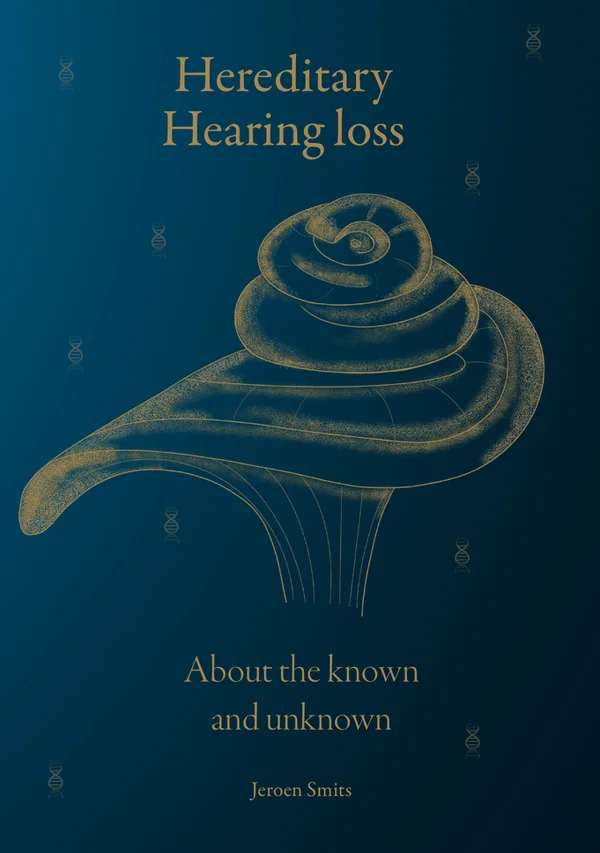
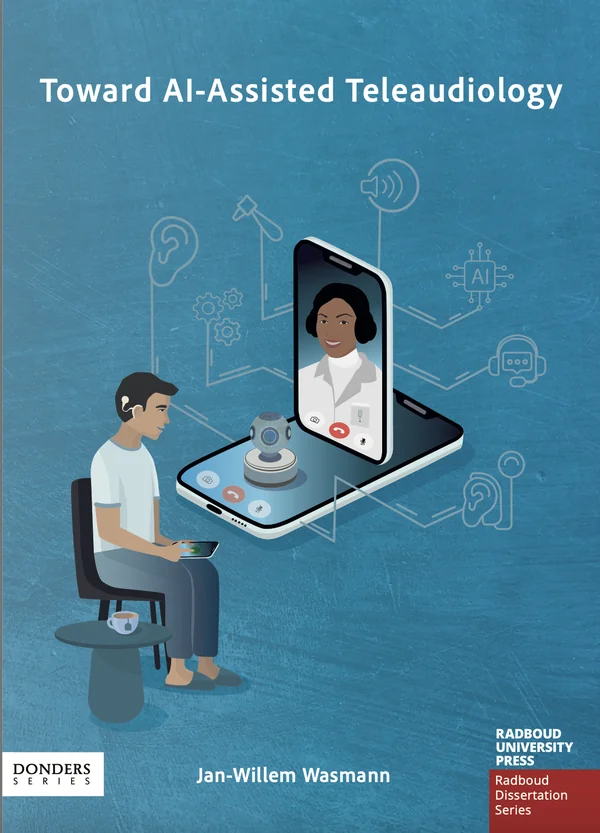
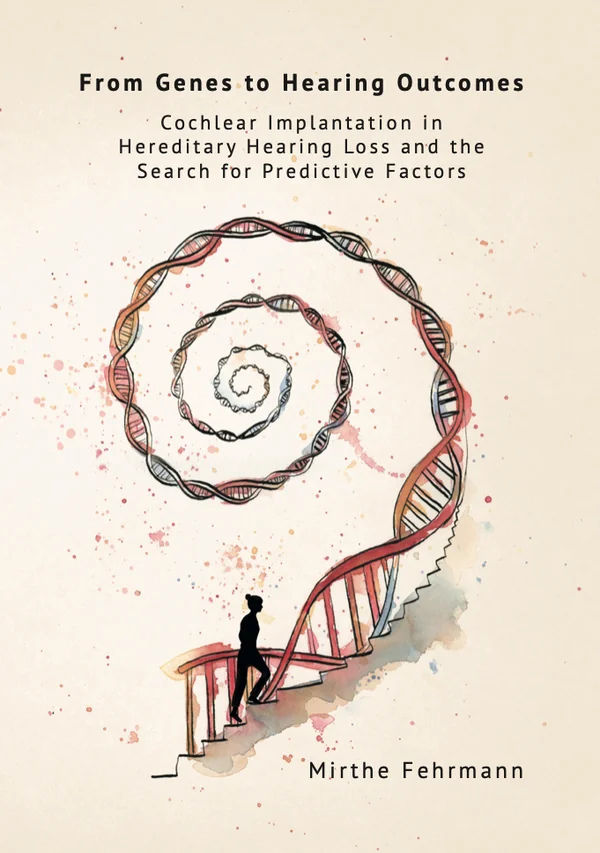
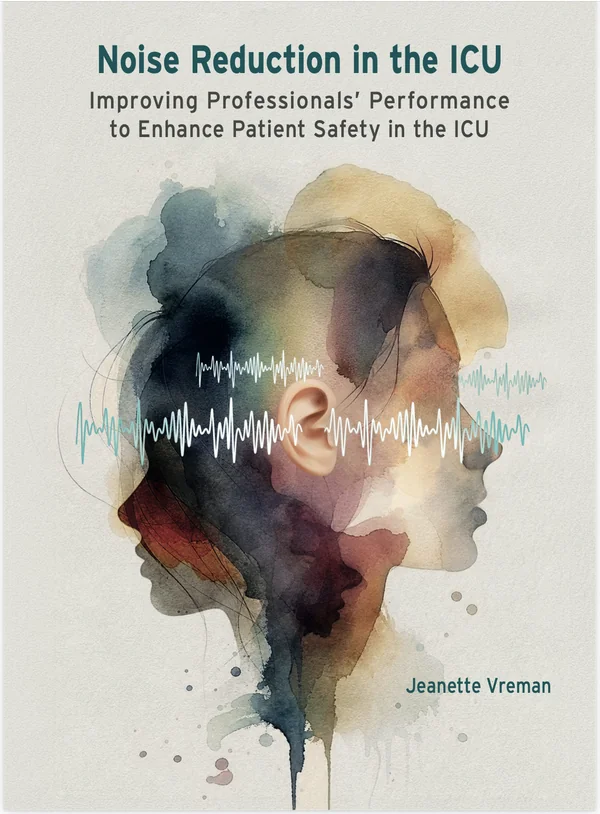
PhD candidates — ongoing
- Hedwig Velde — PhD (defence end of 2026)
- Sybren Robijn — PhD (ongoing)
- Sanne Eemers — PhD (2025–; previously medical physicist in training 2023–2025)
- Dirk Wijn — PhD (2024–2027)
- Fleur Hartskeerl — PhD (2025–2029)
Medical physicist in training
- Sanne Eemers (2023–2025)
- Bilal Bel Hach (2024–)
- Noortje van der Mast (2026–)
MSc students
- Marit van de Craats (2025)
- Tim van Schaik (ongoing)
Grants & awards
- 2025–2029: IIR Grant with MedEl — Anatomy Based Fitting and neural correlates of listening effort (PhD project) — PI
- 2024: Donders Research Stimulation Fund — Ear and Hearing Focus group
- 2024: Donders Research Stimulation Fund — Collaboration with Marc van Wanrooij on auditory profiling
- 2020-2024: IIR Grant with Cochlear Ltd — Genetic hearing loss and cochlear implantation outcomes (PhD project) — co-applicant
- Pending: ZonMW research grant — under revision
IIR (Investigator Initiated Research) grants are industry-funded awards subject to internal competitive peer review.
- 2025–2029: IIR Grant with MedEl on Anatomy Based Fitting and neural correlates of listening effort; PI, PhD project 2025–2029
- 2024: Donders Research Stimulation Fund 2024; “Ear and Hearing Focus group”
- 2024: Donders Research Stimulation Fund 2024; Collaboration fund with Marc van Wanrooij “Enhancing Auditory Profiles: A Cross-Center Approach to Understanding and Addressing Hearing Loss”
- 2022: IIR Grant with Cochlear Ltd on Genetic hearing loss influences outcomes of cochlear implantation; co-applicant, PhD project 2020–2023
- 2019–2022: Phase 1 sponsor-driven trial on treating sudden sensorineural hearing loss (AC102 intratympanic injection; co-applicant; see (Lanting et al., 2025))
- Seed funding: Heinsius Houbolt Fund — €10,000
- 2011: Nomination for Best Ph.D. Thesis, BCN
- 2010: Thesis Grants
Committees & activities
- Chair, NVKF Knowledge Agenda 2.0 (2025–2029)
- Member, NVKF Commissie Wetenschap & Innovatie
- Editor, Audiologieboek.nl
- Member, National Scientific Committee European Symposium on Pediatric Cochlear Implantation (ESPCI) 2023 Rotterdam
- Member, National Scientific Committee Inner Ear Biology (IEB) 2026 Utrecht
- Scientific audiology advisor, ENT Clinical
- Active peer reviewer for international journals in audiology, genetics, and hearing research (Web of Science / Publons)
- Editor at Audiologieboek.nl, a national audiology syllabus
- Member, NVKF Commissie Wetenschap & Innovatie; co-developed Kennisagenda 2020–2025
- User Committee, NWO TTW Project: OtoControl-2.0 (2024–2029)
- Member, Kerngroep Klinische Audiologen (KKAu)
- Scientific Audiology advisor, ENT Clinical
- Member, Workgroup Kennisagenda in de Kwaliteitscyclus, cluster Otologie (NVKNO)
- Chair, Workgroup Kennisagenda 2.0 of the NVKF (2025–2029)
- Member, National Scientific Committee European Symposium on Pediatric Cochlear Implantation (ESPCI) 2023 Rotterdam
- Member, National Scientific Committee Inner Ear Biology (IEB) 2026 Utrecht
- Member, Workgroup Neuroimaging COST action TINNET (BM1306)
- Organization committee International Symposium on Hearing (ISH), 2015 (Van Dijk et al., 2016)
Teaching
- Lecturer and guest lecturer in audiology, otogenetics, and auditory neuroscience (Radboudumc, Radboud University, University of Groningen).
- Member of PhD examination committees (opponent / leescommissie) at national and international institutions.
- Invited speaker at international conferences, including ESPCI Rotterdam (2023) and University of Oldenburg.
PhD examination committees
- 2022: Coosje Caspers — opponent, Radboud University (December 9, 2022)
- 2023: Guus van Bentum — opponent, Radboud University (June 23, 2023)
- 2025: Hugo Nijmeier — opponent, Radboud University (March 20, 2025)
- 2025: Julie Moyaert — leescommissie & opponent (September 2, 2025)
Invited talks
- 2023: Invited speaker, European Symposium on Pediatric Cochlear Implants (ESPCI), Rotterdam
- Invited lecture, Hearing Research Seminar, University of Oldenburg
Teaching
- 2023–now: Guest lecture, Donders Neurophysics course — Physics of the Auditory System: Hearing Impairment
- 2018–now: Lecturer, Minor Clinical Genomics, Radboudumc
- 2018–2022: Organised monthly Hearing & Implants meeting (Radboudumc / Donders Centre for Neuroscience)
- 2015–2017: Lecturer Capita Selecta, “From Sound to Hearing,” University of Groningen
- 2013–2017: Lecturer, Vector Calculus and Mathematics for Neuroscientists, University of Groningen (BCN Graduate School)
- 2005–2009: Lecturer fMRI Course Research Master, University of Groningen (BCN Graduate School)
Supervision
- Ph.D. students: Co-promotor for ENT residents in Hearing & Genes, Hearing & Implants, and Audiology — 5 ongoing, 4 completed
- Medical physicists in training: supervised three trainees for scientific projects
- MSc students: ongoing supervision of master’s thesis projects
Certifications
- 2024: Leergang Begeleiden van Promovendi — Supervising PhDs, Radboudumc
- 2023: Good Clinical Practice (GCP) for Site Staff — ISO 14155:2020, Cochlear Academy
- 2022: ICH Good Clinical Practice (GCP) E6(R2)
- 2019: Teach the teacher / Opleiden van AIOs in de klinische praktijk (OKP)
- 2017: NFU Basic Course Regulations and Organization for Clinical Investigators (BROK) — re-certification ongoing
- 2011: Course supervising PhD students*, MRC
- 2010: Writing Scientific Papers and Reports*, November 3–4, 2010; Writing Proposals for Funding, September 30, 2010; Presentation Skills, June 28-29, 2010.
- 2009: Project Management*, December 8, 2009, London.
- 2007: NWO course `Write it Right’.
Selected publications
For a complete list of publications, see Publications.
Digital presence
Last updated: Jun 2026